All that stood between Oxford United and a place at Wembley was a two-legged semi-final against Aston Villa. It was a daunting prospect, facing a side crowned champions of Europe just four years earlier, but United’s form throughout the cup run had given supporters genuine reason to believe.
At the fourth time of asking, after weeks of relentless winter weather, the first leg at Villa Park finally went ahead on Tuesday 4 March 1986. For Oxford, it was their first major cup semi-final. Wembley was within touching distance. The long delay had only heightened the tension, now was the moment to etch their names into club folklore.
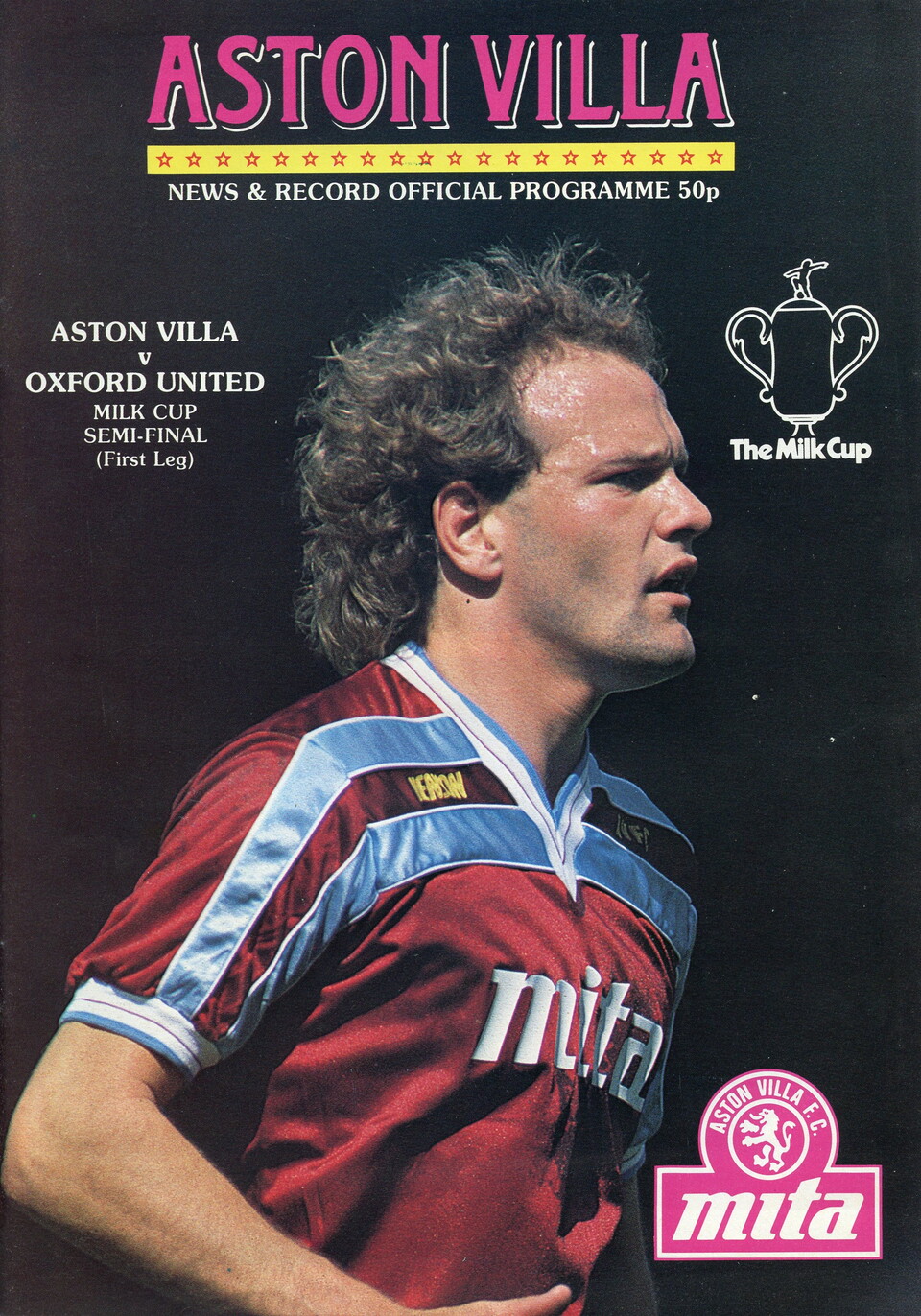
The U’s arrived in confident mood, having recorded impressive wins over Chelsea and Manchester City in the First Division in their previous away games. Villa manager Graham Turner was well aware of the threat, insisting there would be no complacency from his side. So concerned was he, in fact, that he refused to release key players for England Under-21 duty, determined to keep his squad fully focused on the semi-final.
With nearly 5,000 travelling supporters packed into the away end, the stage was set, and what followed was a breathless, end-to-end encounter.
Oxford struck first, just eight minutes in. Trevor Hebberd’s long ball released Ray Houghton down the right. Skipping past his marker, he delivered a superb cross for John Aldridge, who powered home from close range to send the travelling fans into raptures. Within the opening ten minutes, the dreams of a trip to Wembley were quickly becoming a distinct possibility.
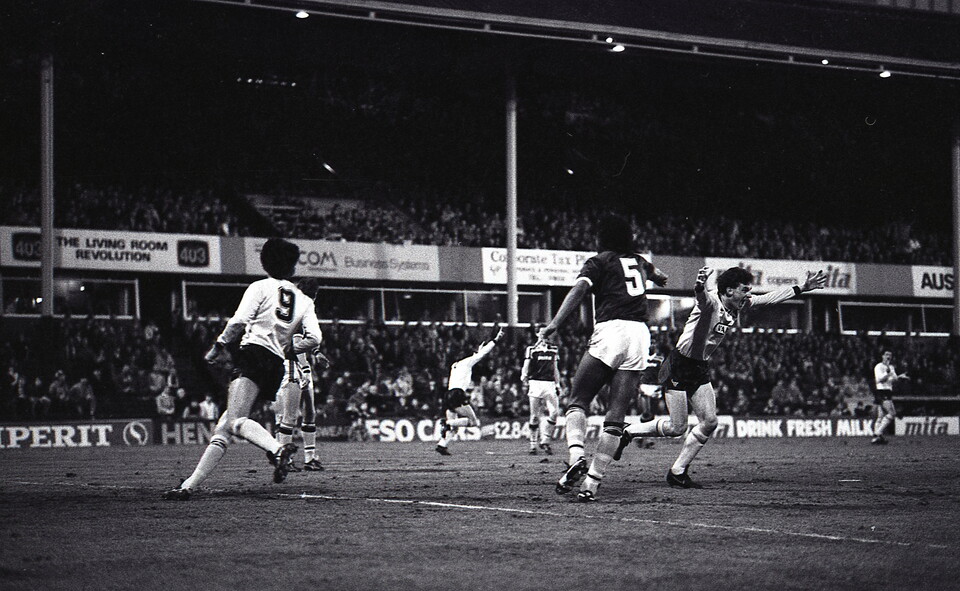
It could, and perhaps should, have been two soon after. Following neat build-up play from Jeremy Charles and Les Phillips, Aldridge found space, glided past a defender and curled a superb effort against the crossbar.
United continued to dictate the tempo of the game, with Villa goalkeeper Nigel Spink forced into a fine save to deny Houghton. But, as had been the case multiple times already during the season, United were punished against the run of play. A long throw caused confusion in the box, and Paul Birch lashed home a volley to bring Villa level on 33 minutes.
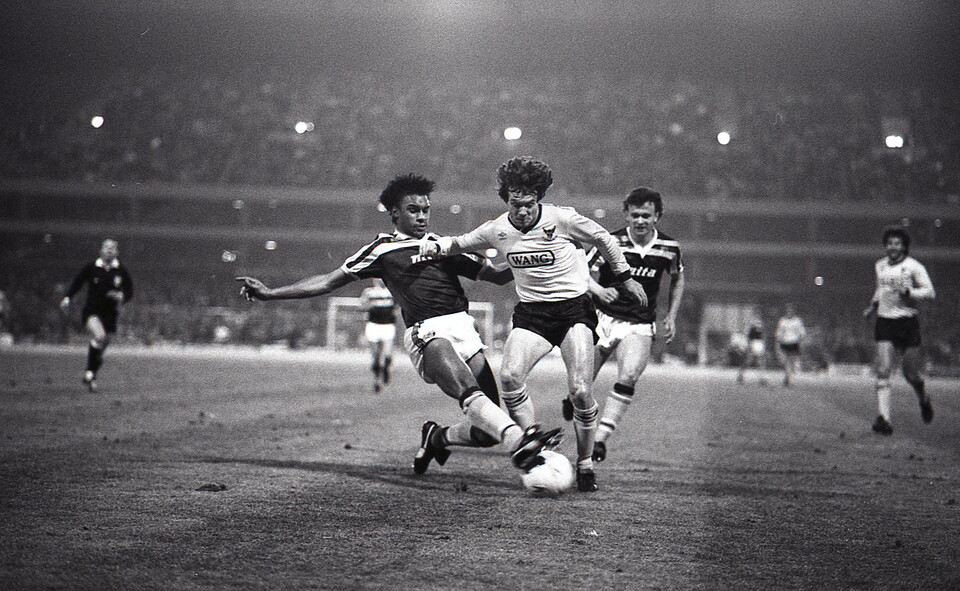
Despite their dominance, Oxford went into the break frustrated at being pegged back when they had largely controlled the game, and matters worsened early in the second half. A corner from Villa midfielder Mark Walters led to a contentious goal, with Simon Stainrod’s header adjudged to have crossed the line despite fierce Oxford protests. To compound matters, appeals for a foul on U's keeper Alan Judge in the build-up were waved away. Villa, with relatively little attacking threat until that point, suddenly led 2–1.
Yet United refused to buckle. Within a minute, Houghton surged past two defenders and into the box before being brought down, earning a penalty. Aldridge stepped up and, with typical composure, drilled his spot-kick into the bottom corner for his 23rd goal of the season, restoring parity.
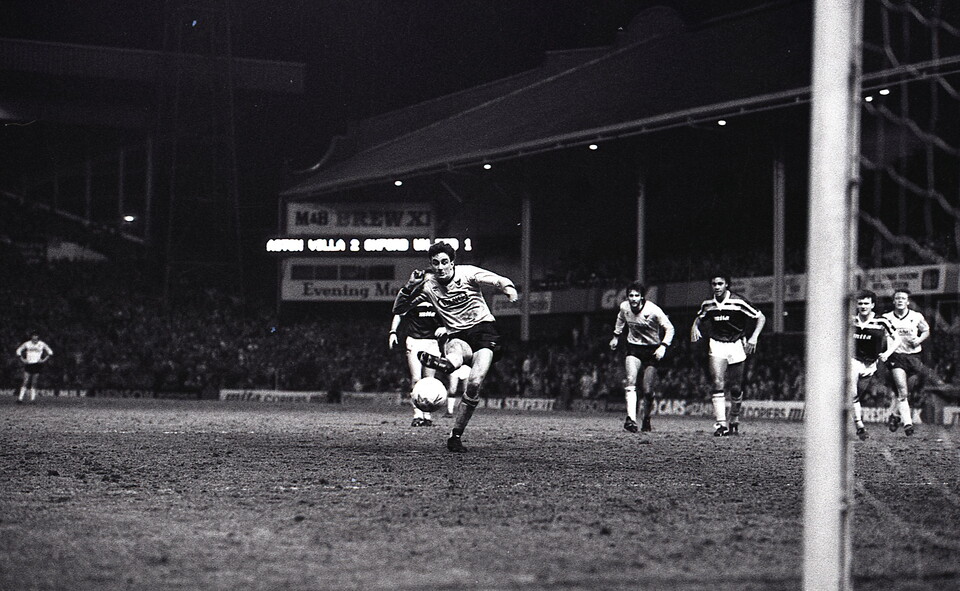
Oxford continued to press. Spink produced another outstanding save to deny Aldridge a hat-trick, Charles went close on two occasions, and Peter Rhoades-Brown was a constant menace down the left. But despite their superiority, the U’s had to settle for a 2–2 draw at full-time.
While there was frustration at not taking a lead back to the Manor, it remained finely poised. Against a side of Villa’s pedigree, Oxford had more than held their own, and the dream of Wembley was very much alive.
The performances of Aldridge and Houghton did not go unnoticed. Watching from the stands was Republic of Ireland manager, Jack Charlton, who remarked: “He’s a great finisher,” of Aldridge, before adding, “I thought Ray Houghton was the best player on the park.”
Starting Line-Ups:
Oxford United: Judge, Trewick, Slatter, Phillips, Briggs, Shotton, Houghton, Aldridge, Charles, Hebberd, Rhoades-Brown. Sub: Langan.
Aston Villa: Spink, Norton, Glover, Evans, Elliott, Bradley, Birch, Kerr, Stainrod, Hodge, Walters. Sub: Shaw.
Attendance: 23,095
Images: Steve Daniels